Exploring Textured Concrete: Techniques to Enhance Surface Appeal and Functionality May 06, 2026
In recent years, the demand for aesthetically pleasing and durable surfaces has increased. Textured concrete has answered this call with its ability to combine functionality with visual interest. It’s not just about creating a surface that looks good; it’s about enhancing the longevity and practicality of the material. By understanding the techniques used in creating textured concrete, homeowners and builders can make informed decisions that add value to their properties.
One of the primary techniques used in textured concrete is stamping. This involves pressing patterns into the concrete surface before it sets, creating a rich texture that mimics the appearance of more expensive materials like stone, brick, or slate. Stamping not only elevates the look of a space but also provides a slip-resistant surface, making it ideal for walkways, patios, and pool decks. Moreover, stamped concrete requires minimal maintenance compared to the natural materials it replicates, making it a cost-effective choice.
Another popular technique is broom finishing. By using a broom to create fine lines in the surface, contractors can achieve a subtle texture that improves traction. This method is particularly useful for driveways and ramps, where slip resistance is a priority. The simplicity of broom finishing makes it a versatile option that can be tailored to suit various aesthetic preferences with different broom styles and directions.
For a more intricate texture, contractors often turn to exposed aggregate. This technique involves removing the top layer of cement paste to reveal the underlying aggregate, such as gravel or decorative stones. The result is a dynamic surface that offers both visual and tactile interest. Exposed aggregate is highly durable and resistant to heavy foot and vehicle traffic, making it suitable for areas like sidewalks and parking lots.
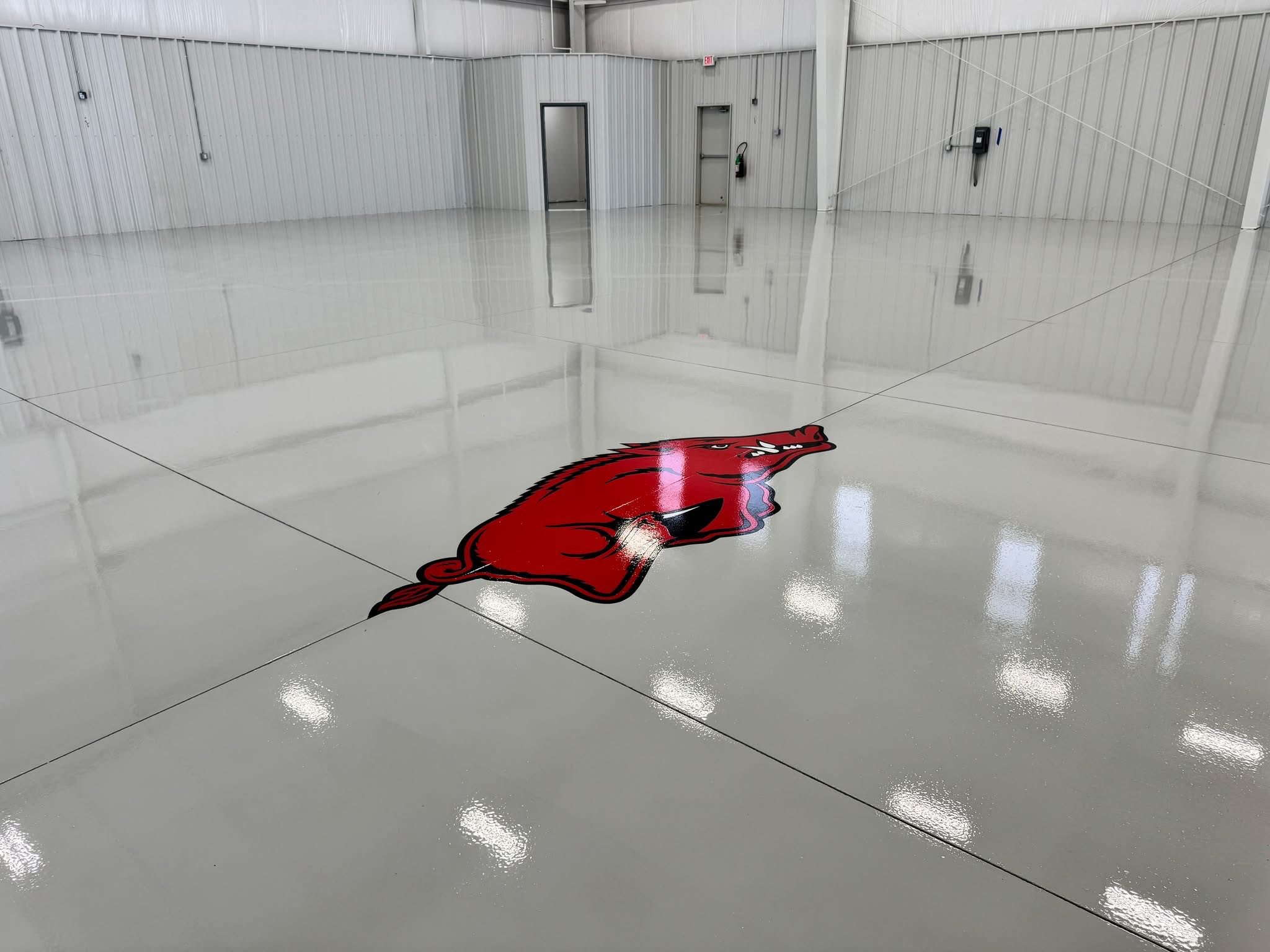
Trowel finishing is another time-tested method that brings a sleek, polished look to concrete surfaces. By using a trowel to smooth out the concrete, a glossy, refined finish is achieved. For those preferring a bit more texture, a trowel can also create swirls or other patterns, adding a touch of customization. Trowel finished surfaces are perfect for indoor applications, where smoothness and reflectivity can enhance the overall ambiance of the space.
Incorporating color into textured concrete is another way to boost its appeal. Integral color pigments are mixed into the concrete, ensuring uniform coloration throughout. Alternatively, stains can be applied to the surface for a more varied or weathered appearance. Coloring not only enhances the aesthetic appeal but also allows for greater design flexibility, enabling homeowners and architects to match the concrete with existing structures and landscapes.
As you consider the options for your next project, it’s important to understand how these textured concrete techniques can enhance both the appeal and functionality of your space. At Concrete Creations and Excavations, we pride ourselves on delivering high-quality solutions tailored to meet the specific needs of our clients. Enhance your surfaces with our expert textured concrete services and see the difference it can make.
In conclusion, textured concrete is more than just a trend – it's a versatile and practical solution for enhancing surface appeal and functionality. By choosing the right technique and finish, you can transform ordinary spaces into extraordinary ones, all while maximizing safety and durability. Trust in the expertise of professionals who understand your vision and can bring it to life beautifully.
/filters:no_upscale()/filters:format(webp)/media/cc5d378c-59c6-427e-8fc0-8c4d6c73c6c9.jpg)
/filters:no_upscale()/filters:format(webp)/media/8f8ac8d0-7683-4a4f-821c-4a76489d3af1.jpeg)