Unlocking the Secrets of Sustainable Concrete in Urban Development May 10, 2026
To begin with, sustainability in concrete is primarily about minimizing environmental impact. Traditional concrete production is energy-intensive and contributes significantly to carbon emissions. Innovative solutions, however, are paving the way for a greener approach. One key component of sustainable concrete is the use of alternative materials. Replacing a portion of traditional Portland cement with materials such as fly ash, slag cement, or silica fume can significantly reduce carbon emissions. These materials are often byproducts of other industrial processes, thus promoting waste reduction.
Another essential aspect is the durability and lifespan of concrete structures. Stronger, more durable concrete reduces maintenance frequency, which in turn decreases the associated environmental and economic costs. By using advanced admixtures and reinforcing techniques, it's possible to enhance the durability and load-bearing capacity of concrete, ensuring that structures withstand the test of time and environmental stressors more effectively.
Water is another focal point when discussing sustainable concrete practices. Concrete production consumes a significant amount of water, but this can be mitigated by incorporating recycling processes. Recycling water used in concrete mixing not only conserves this precious resource but also ensures compliance with environmental regulations. For urban developers committed to sustainability, minimizing water usage is an attractive feature.
Furthermore, the innovation of self-healing concrete could revolutionize urban development. This type of concrete can automatically repair small cracks, drastically extending the material's lifespan and reducing maintenance demands. While still in development, self-healing concrete represents an exciting frontier in sustainable building materials, promising significant long-term benefits.
The sustainability potential of concrete also extends to its role in energy efficiency. Concrete has excellent thermal mass properties, allowing it to naturally regulate the temperature within buildings. By optimizing the design and placement of concrete components, urban developers can significantly reduce the need for artificial heating and cooling, thus lowering a building's overall energy consumption.
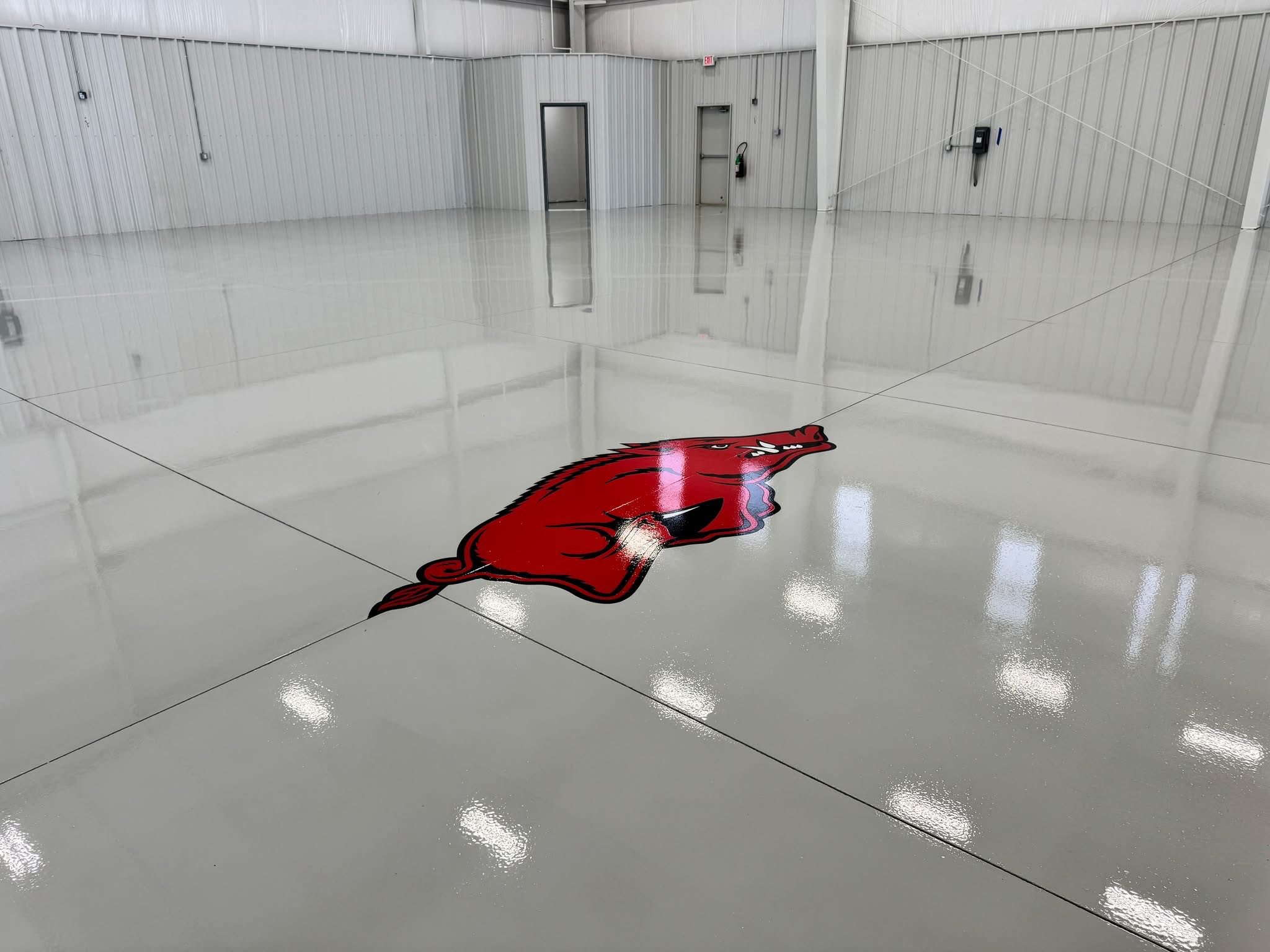
Lastly, urban planners increasingly appreciate how sustainable concrete solutions can contribute to aesthetic improvement and community building. With a variety of finishing options available, concrete is not limited to utilitarian purposes; it can enhance urban beauty with attractive facades and street furniture.
As urbanization continues unabated, sustainable concrete will play an essential role in shaping the cities of tomorrow. At Concrete Creations and Excavations, we're committed to employing these innovative solutions to meet the growing demand for environmentally friendly building materials. The adoption of sustainable concrete not only addresses ecological concerns but also meets the demands of modern urban living, fulfilling the need for durable, cost-effective, and beautiful environments that stand the test of time.
In conclusion, embracing sustainable concrete in urban development is not a mere option but a necessity. By choosing eco-friendly construction practices, developers can considerably impact the planet's future, ensuring cities are not just built to last but designed to thrive responsibly. As we move towards more sustainable living, concrete will undoubtedly become a cornerstone of eco-conscious urban development.
/filters:no_upscale()/filters:format(webp)/media/cc5d378c-59c6-427e-8fc0-8c4d6c73c6c9.jpg)
/filters:no_upscale()/filters:format(webp)/media/8f8ac8d0-7683-4a4f-821c-4a76489d3af1.jpeg)