Weatherproofing Your Structures: Techniques for Concrete Durability Against the Elements Jun 05, 2026
Concrete is inherently strong, but exposure to extreme weather conditions such as heavy rain, snow, freeze-thaw cycles, and intense sunlight can take a toll on its structure. This is why weatherproofing is essential. It begins with understanding the factors that contribute to concrete deterioration and the solutions available.
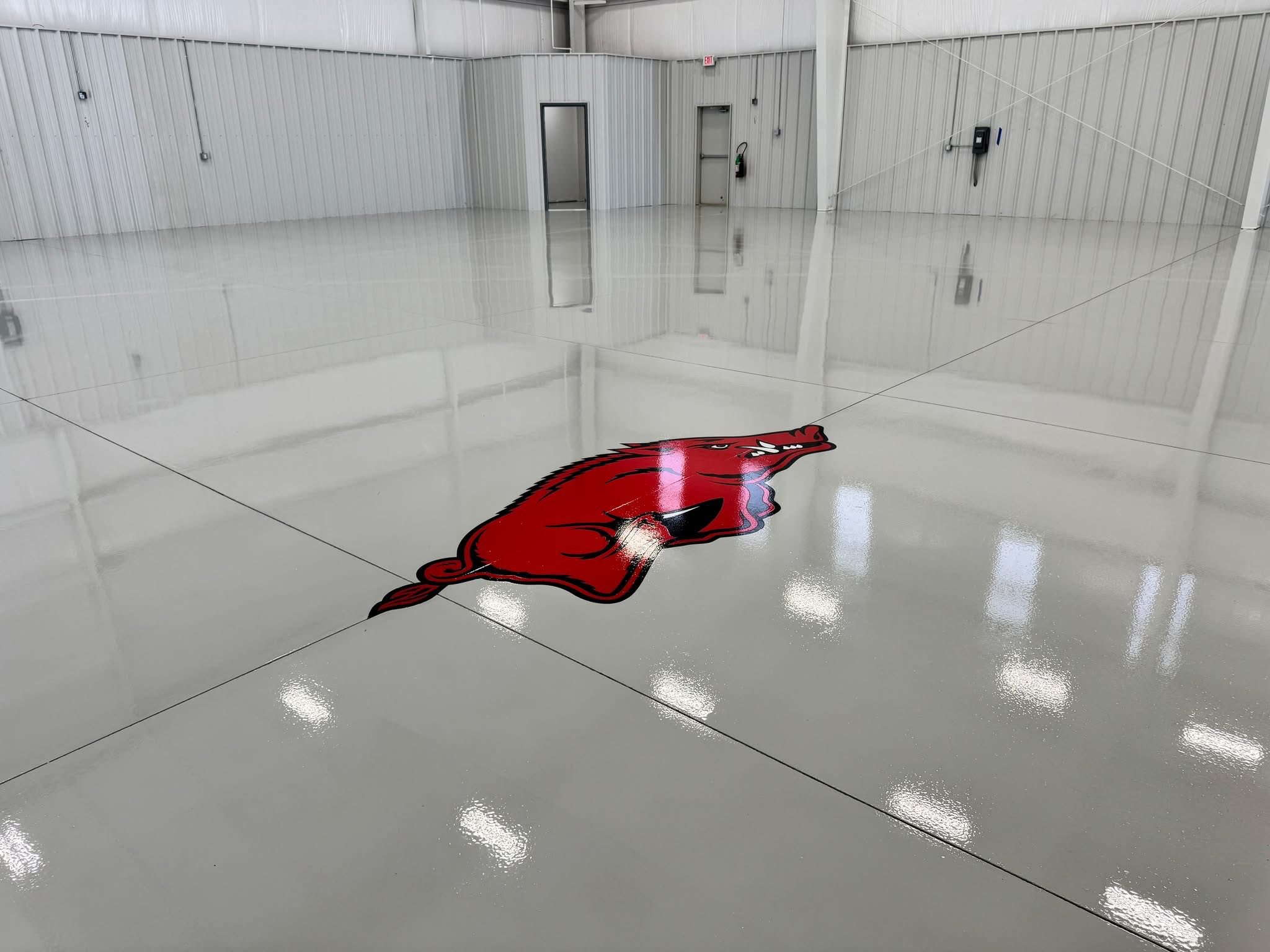
One effective method of protecting concrete is by using sealers. A high-quality concrete sealer acts as a barrier, preventing water, de-icing salts, and other contaminants from penetrating the surface. Sealers can be applied easily and are available in various forms including acrylic, epoxy, and polyurethane, each offering different levels of protection and finish. Applying a sealer helps in preserving the aesthetic appearance of concrete and prolongs its life by mitigating damage caused by moisture and seasonal changes.
In addition to sealing, controlling the water-cement ratio during the mixing process is crucial. A lower water-cement ratio increases the density and strength of the concrete, making it less permeable. Dense concrete not only resists cracking but also inhibits the ingress of water, thus reducing the risk of freeze-thaw damage in colder climates.
Another essential technique is proper curing. Allowing adequate time for curing ensures that the concrete reaches its optimal strength and durability. Immediately after pouring, covering the concrete with burlap, plastic sheeting, or other materials can help retain moisture and maintain an optimal temperature, both necessary for curing to take place effectively.
Reinforcing concrete with fibers or steel bars can also enhance its resistance to cracks and damage. Fibers distribute stress across the surface while steel bars provide structural strength, making it versatile against natural forces.
Moreover, implementing proper drainage systems can prevent the accumulation of water on or around the concrete structure. This reduces the potential for water-related damage significantly. Ensure gutters and downspouts direct water away from concrete surfaces and that there are no low spots near the foundation that might collect water.
Finally, regular maintenance cannot be overstated. Conducting routine inspections to check for cracks, spalling, or other signs of wear and immediately addressing these issues can prevent small problems from turning into significant repairs.
In conclusion, weatherproofing concrete is an investment in its longevity and performance. By applying sealers, controlling the water-cement ratio, ensuring proper curing, utilizing reinforcements, and installing effective drainage, you can protect your concrete structures from the elements. These strategies not only save time and money in the long run but also preserve the aesthetic and functional quality of your outdoor spaces. Concrete Creations and Excavations is committed to offering solutions that keep your concrete projects looking pristine and standing strong against the forces of nature. Engage with us for professional advice and services tailored to your specific weatherproofing needs.
/filters:no_upscale()/filters:format(webp)/media/cc5d378c-59c6-427e-8fc0-8c4d6c73c6c9.jpg)
/filters:no_upscale()/filters:format(webp)/media/8f8ac8d0-7683-4a4f-821c-4a76489d3af1.jpeg)